Property · 9 min read
What Listings Don't Tell YouAbout Stone, Damp and Lanes
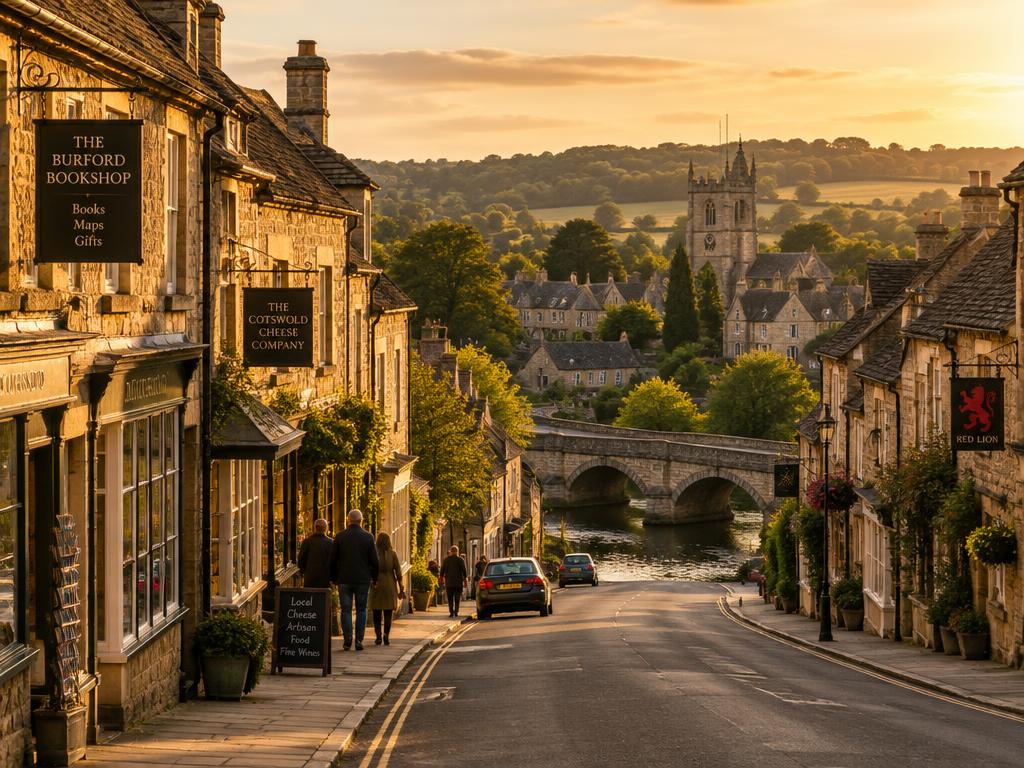
The estate agent photos are beautiful. The honey-coloured stone glows in the evening sun. There's a roaring fire, a pretty garden and a winding country lane leading to the front gate.
What the listing rarely tells you is what it's actually like to live in a centuries-old Cotswold property once the viewing has ended and everyday life begins.
As we prepared for our own move to the North Cotswolds, we spent countless hours viewing properties, speaking to locals, surveyors, builders and homeowners. Along the way, we discovered that the realities of country property ownership can be very different from the picture painted online.
None of these are reasons not to buy. In fact, many are part of the charm. But they are things worth understanding before committing to your dream Cotswold home.
Not All Stone Is Equal
One of the biggest surprises for newcomers is that “Cotswold stone” is not a guarantee of quality.
Many buyers assume that because a property is built from beautiful limestone it must be structurally superior or easier to maintain. In reality, stone houses can vary enormously depending on their age, construction methods and previous renovations.
A seventeenth-century cottage may have solid stone walls with no cavity insulation whatsoever. A Victorian property may have undergone multiple alterations over the years. A house renovated twenty years ago may have had modern materials installed that are now causing problems.
The stone itself is often the least important part.
What matters more is:
- How the property has been maintained
- Whether repairs used appropriate materials
- The condition of the roof
- The quality of drainage around the house
- The ventilation within the building
A beautiful façade can hide expensive issues.
Damp Doesn't Always Mean Disaster
Perhaps no word scares buyers more than damp.
We quickly learned that damp is almost unavoidable in older properties. The key question isn't whether damp exists, but whether it's a genuine problem or simply a characteristic of a historic building.
Many Cotswold homes were designed to breathe. Moisture moves through lime plaster, lime mortar and stone walls naturally.
Problems often arise when modern materials are introduced.
Previous owners may have installed:
- Cement render
- Modern plaster
- Waterproof coatings
- Inappropriate insulation
Ironically, these “improvements” can trap moisture and create the very damp issues they're intended to prevent.
Winter Feels Different in Stone Houses
The first thing many people notice when entering an older stone property in winter is that the temperature feels different.
Even when heated, thick stone walls can create a cooler atmosphere than modern homes. Some people love this. Others find it takes adjustment.
The upside is that many stone houses remain wonderfully cool during summer heatwaves. The downside is that winter heating costs can be higher than expected.
This is particularly true in larger period homes with:
- High ceilings
- Single glazing
- Large open rooms
- Older heating systems
The romantic image of a roaring fireplace often comes with a healthy heating budget.
Country Lanes Look Charming Until You Use Them Every Day
One of our favourite things about the North Cotswolds is the network of narrow lanes connecting villages. They're beautiful. They're also often far narrower than city buyers expect.
The first few times you reverse into a hedge to let an oncoming vehicle pass, it feels like part of the adventure. After six months, it simply becomes normal.
When viewing properties, don't just drive to the front door once.
Drive the route:
- During rush hour
- In darkness
- In heavy rain
- On school mornings
Some houses can feel wonderfully secluded during a viewing but become less appealing when every journey involves several miles of single-track lanes.
Deliveries and Tradespeople Take Longer
In cities, a plumber might arrive within a few hours. In rural areas, things often operate differently.
Many excellent local tradespeople are booked weeks or even months ahead. Deliveries can be slower. Certain services may not be available at all.
This isn't necessarily a problem, but it rewards planning.
Homeowners who maintain good relationships with local builders, electricians and gardeners often enjoy a much smoother experience than those who wait until an emergency arises.
Mobile Signal Can Change Room by Room
This was one of the first things we tested after agreeing our purchase.
Many North Cotswold houses have extremely thick stone walls. A phone call that works perfectly near the kitchen window may fail entirely in a study at the back of the house.
In our case, we bought PAYG SIMs from each major network and tested voice calling performance deep inside the property, not just outside the front door.
What matters is how the signal performs where you will actually spend your time. For remote workers especially, this can be far more important than fast mobile data speeds.
The Garden Is Often Larger Than You Think
Large gardens are one of the joys of country living. They're also one of the biggest hidden commitments.
Many people moving from London apartments or urban homes underestimate the amount of work involved.
Sunny, our dog, will certainly appreciate the space. Whether you'll enjoy maintaining it is another question entirely.
That idyllic half-acre plot may require:
- Regular mowing
- Hedge cutting
- Tree maintenance
- Weed control
- Fence repairs
Parking Matters More Than You Expect
Many historic properties were built long before cars existed.
A property can be perfect in every other respect but become frustrating if parking isn't practical for everyday life. Always view with real-world usage in mind.
As a result:
- Garages can be tiny
- Access can be awkward
- On-street parking may be limited
- Visitors may have nowhere obvious to park
The Real Test Is Everyday Living
The mistake many buyers make is evaluating a Cotswold property like a holiday cottage.
The better question is: “How will this house work on a wet Tuesday morning in February?”
- Can deliveries reach it?
- Will mobile calls work?
- How long does it take to reach the station?
- Can two cars pass on the lane?
- Will the heating costs fit your budget?
The answers to those questions often matter more than the stone fireplace that persuaded you to book the viewing.
Our Verdict
The North Cotswolds contains some of the most beautiful homes in England. The stone cottages, converted barns and historic farmhouses are a huge part of what draws people here.
But the best properties are rarely those that simply photograph well. They're the homes that combine character with practicality, charm with functionality and beauty with everyday ease.
Listings tell you about square footage, bedroom counts and kitchen islands. Life tells you about damp, heating, signal strength, tradespeople and country lanes.
The good news is that once you understand those realities, they're not drawbacks at all. They're simply part of what makes living in the Cotswolds different. And for many of us, that's exactly the point.
Newsletter
Considering the move yourself?
Get weekly insights, relocation advice and hidden gems from real life in the North Cotswolds.
Join the newsletter